
Best AI Classes For Kids

AskSide
October 22, 2026
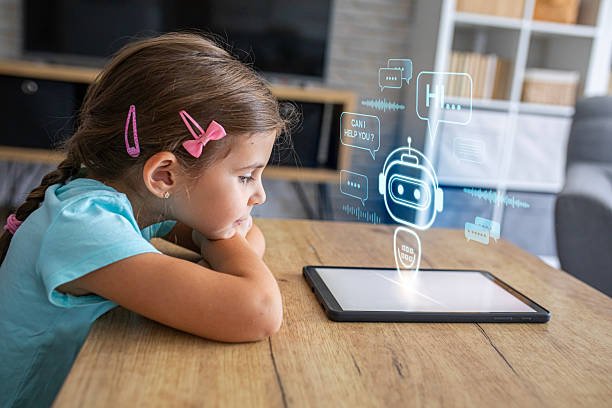
Identifying the best AI classes for kids is a priority for parents who want to prepare their children for a future where machine learning and automation are integrated into every industry. these specialized programs focus on teaching the underlying logic of neural networks and data science through age-appropriate tools like Scratch or Python. Providing this foundation early helps students move from being passive consumers of technology to becoming innovative creators who understand how to harness the power of algorithms safely.
The transition from general computer literacy to specialized artificial intelligence education requires a curriculum that is both engaging and technically sound. This guide examines the top-rated educational platforms and organizations that are currently leading the way in youth-oriented technical training.
These are the Best AI Classes For Kids
The demand for early technical education has resulted in a surge of high-quality courses designed specifically for elementary, middle, and high school students. Recent educational statistics suggest that students who engage with best AI tool for learning for kids early in their development show a 30 percent higher proficiency in mathematics and logical reasoning compared to their peers. These classes do more than just teach code; they encourage children to think critically about how information is processed and how machines make decisions. By enrolling in structured programs, kids can build everything from simple image recognizers to sophisticated chatbots that interact with users in real-time. Below is an exhaustive look at the top classes available for young learners today.
1. Create & Learn AI Explorers
Create & Learn offers a comprehensive series of classes called AI Explorers which are specifically designed for students in grades 2 through 12. Their curriculum is developed by experts from major tech hubs like Google and Stanford, ensuring that the content is both current and academically rigorous. The program begins with foundational concepts using block-based coding and gradually moves into more advanced topics like Python-based machine learning. One of the best tips for parents is to start with their introductory sessions which allow kids to see immediate results through small projects like training a computer to recognize their hand gestures. This immediate feedback loop is essential for maintaining the interest of younger students who may be intimidated by traditional text-based coding.
2. CodeWizardsHQ AI and Machine Learning
CodeWizardsHQ is widely recognized for its structured, small-group live classes that mimic a real classroom environment. Their artificial intelligence track is aimed at middle and high schoolers and focuses heavily on the practical application of Python to solve real-world problems. Students learn how to build recommendation engines similar to those used by Netflix and Spotify, which helps them understand how data impacts their daily digital experiences. A great feature of this program is the dedicated teacher support, where instructors provide personalized feedback on every project a student completes. This ensures that no child is left behind as the concepts become more complex during the multi-week course.
3. Juni Learning Artificial Intelligence
Juni Learning offers a highly personalized experience through its 1:1 or small group mentorship model, which is ideal for children who learn best with individual attention. Their AI courses are divided by age and skill level, ensuring that the material is never too easy or too difficult for the student. For younger kids, they use visual programming to explain how robots see and hear, while older students dive into data science libraries like Pandas and NumPy. A useful tip for using Juni is to take advantage of their project-based approach, where students are encouraged to build a capstone project that solves a problem in their own community. This helps children see the social impact of technology and encourages ethical thinking in their development process.
4. iD Tech Artificial Intelligence and Machine Learning
iD Tech is famous for its immersive summer camps and online private lessons that provide a high-energy learning environment. Their AI courses often use popular platforms like Minecraft or Roblox to explain how automated characters and pathfinding algorithms work. This is a brilliant way to keep kids engaged because they are learning within environments they already love and spend time in. For older students, they offer specialized tracks in NVIDIA-powered deep learning, which is perfect for those looking to build a professional-level portfolio. Parents should consider their semester-long online programs if they want a consistent weekly schedule that builds skills over a longer period rather than just a one-week intensive camp.
5. Tynker AI and Robotics
Tynker provides a self-paced learning platform that is excellent for children who prefer to explore at their own speed. Their AI and robotics modules use game-based puzzles to teach the basics of pattern recognition and predictive modeling. Because Tynker is largely visual, it is the perfect starting point for elementary school children who are not yet ready for the syntax requirements of Python. A tip for maximizing the value of Tynker is to explore their "creativity suite," where kids can use AI to generate art or music, blending technical skills with artistic expression. This holistic approach makes technology feel less like a chore and more like a tool for unlimited self-expression.
6. AI World School
AI World School is a global platform that focuses specifically on artificial intelligence education with a very structured certification path. Their courses are designed to align with international standards, making them a great choice for students who want a formal recognition of their skills. They offer specialized "micro-courses" on topics like the ethics of AI, which is a crucial subject that many other technical programs overlook. By teaching kids about bias in algorithms and the importance of data privacy, AI World School prepares them to be responsible digital citizens. Their curriculum includes many hands-on activities that don't always require a screen, such as logic puzzles that explain how decisions are made in a system.
7. Codingal AI for Kids
Codingal offers live 1:1 sessions that are highly customized to the interests of the child, whether they want to build games or develop mobile apps. Their AI track emphasizes "learning by doing," where every session ends with a functional piece of software that the student has built themselves. They also host regular coding competitions which allow students to showcase their AI projects to a wider audience and win prizes. This competitive element can be a great motivator for kids who thrive on challenges and enjoy seeing how their work compares to that of their peers. Instructors at Codingal are often working professionals who bring real-world industry insights into the virtual classroom.
8. Outschool AI and Tech Courses
Outschool is a marketplace for live online classes where independent teachers offer a huge variety of niche AI topics. This is the best place to find unique classes like "AI for Digital Art" or "Building a Chatbot in Scratch." Because the classes are often shorter and more affordable than full-semester programs, parents can use Outschool to let their children "sample" different areas of technology before committing to a longer course. A tip for parents using Outschool is to read the teacher reviews carefully to find someone whose teaching style matches their child's personality. The platform's social nature also allows kids to interact with other students from around the world, making the learning process a collaborative and social experience.
9. Camp K12 AI and Data Science
Camp K12 is an international startup that focuses on building the "creators of the future" through a very modern and sleek curriculum. Their AI and data science track is particularly strong, teaching students how to collect data, clean it, and use it to train their own models. They use a proprietary coding platform that makes it easy for kids to see the internal workings of a neural network without getting bogged down in complex mathematics. This visual representation of data flow is highly effective for visual learners who need to see the "why" behind the code. Their programs are designed to be long-term, taking a student from a complete beginner to a proficient developer over several years.
10. Raspberry Pi Foundation AI Resources
While not a traditional "class" in the sense of a live instructor, the Raspberry Pi Foundation offers some of the best free structured learning pathways for kids who want to learn AI at home. Their projects are meticulously documented and guide students through building real hardware-based AI systems, like a camera that can identify different types of fruit. This is the best AI tool for learning for kids who enjoy building things with their hands and want to see their code interact with the physical world. Using a low-cost Raspberry Pi computer makes this an accessible option for families on a budget. Their "Experience AI" curriculum, developed in partnership with Google DeepMind, is one of the highest quality free resources available to the public.
11. Udemy AI for Kids Courses
Udemy features several highly-rated pre-recorded courses that are perfect for older children who are self-motivated and prefer to learn through video tutorials. These courses often cover the basics of machine learning using blocks before transitioning into real Python code. The advantage of Udemy is that once you purchase a course, you have it for life, allowing the student to go back and review difficult concepts whenever they need to. It is recommended to look for courses that include a significant number of downloadable resources and starter code to help the student get through the initial setup phases. Many of these courses are taught by university professors who have a talent for breaking down complex academic topics into fun, digestible segments for younger audiences.
12. Coursera (AI for Everyone by Andrew Ng)
While this course is technically for adults, many high school students have successfully completed it to gain a foundational understanding of the AI landscape. It is taught by Andrew Ng, one of the most famous figures in the field, and focuses on the high-level concepts of what AI can and cannot do. This is a perfect "theory" course to take alongside a more technical coding class to give the student a balanced perspective. It explains how AI is used in business and society, which helps students understand the career opportunities that will be available to them in the future. Completing this course also provides a certificate that looks excellent on college applications or resumes for internships.
13. WhizJunior AI and Tech Tracks
WhizJunior is a gamified learning platform that turns the process of learning AI into a competition where kids can earn points and rank up on a leaderboard. They offer a wide range of short videos and quizzes that cover everything from basic computer parts to advanced neural networks. This format is great for children with shorter attention spans who need frequent rewards to stay engaged with the material. The platform also allows schools to compete against each other, fostering a sense of school spirit and community around technical education. A tip for using WhizJunior is to follow their recommended "learning path" to ensure that the child builds a solid foundation before moving on to the more advanced AI certifications.
14. Stempedia AI and Robotics
Stempedia focuses on the intersection of artificial intelligence and robotics, providing both software and hardware kits that work together. Their PictoBlox software is a specialized version of Scratch that includes AI extensions for face detection, object recognition, and machine learning. This allows kids to build very impressive projects like a robot that follows them around or a door lock that only opens when it sees their face. This tactile experience is a strongest asset for keeping kinetic learners interested in computer science. They also provide comprehensive curriculum guides for teachers and parents, making it easy to run a "mini-bootcamp" at home during school breaks.
15. Veritas AI
Veritas AI is a program founded by Harvard graduate students that offers very high-level AI research opportunities for middle and high school students. This is not just a coding class; it is a program where students work on original research projects under the guidance of mentors from top universities. It is ideal for students who already have a basic understanding of coding and want to push themselves to the next level of academic achievement. The program concludes with a showcase where students present their findings, helping them develop the communication and presentation skills that are vital in the scientific community. Because of the high level of mentorship, this program is more expensive than others but offers a unique look into the world of professional AI research.
Things to Consider When Choosing an AI Class for Kids
Selecting the right educational path for your child involves evaluating the teaching methodology, the platform's safety, and how well the curriculum matches your child's current developmental stage. Research from the World Economic Forum indicates that computational thinking will be one of the most sought-after skills in the next decade, making the choice of an AI class a strategic long-term investment. Here are several factors to consider as you evaluate different programs for your family.
1. Age Appropriateness and Engagement: The AI for education for kids should be presented in a way that matches their cognitive development. Elementary school children should start with block-based coding like Scratch, which removes the frustration of syntax errors and allows them to focus on logic and flow. Middle schoolers can usually handle basic Python, while high schoolers should be challenged with real-world data sets and professional-grade libraries. If a class is too theoretical or uses too much jargon, a child may quickly lose interest and develop a negative association with the subject.
2. Live vs. Self-Paced Learning: Some children thrive in a live classroom environment where they can ask questions and interact with peers, while others prefer the flexibility of self-paced video lessons. Live classes offer immediate feedback and a structured schedule, which is often better for younger kids who need more guidance. Self-paced courses are excellent for older, highly motivated students who want to zoom through familiar topics and spend more time on difficult ones. Consider your child's personality and your family's weekly schedule when deciding between these two formats.
3. Teacher Expertise and Mentorship: The quality of the instructor is often the single most important factor in a child's success in a technical course. Look for programs where the teachers have a background in computer science or significant experience in teaching technology to children. A good teacher doesn't just give answers; they guide the student through the problem-solving process and encourage them to think like an engineer. In 1:1 mentorship models, ensure that the mentor is someone who can inspire the child and serve as a positive role model in the field of technology.
4. Project-Based Curriculum: Rote memorization of code is not effective for learning artificial intelligence; students need to apply what they learn to real-world scenarios. The best classes are those that culminate in a finished project, such as a game, an app, or a data model. This provides a sense of accomplishment and allows the student to build a portfolio of work that they can be proud of. Ask to see examples of projects that previous students have completed to get an idea of the technical depth the course actually provides.
5. Ethical and Social Context: Artificial intelligence is a powerful tool that comes with significant ethical responsibilities. A high-quality class will not only teach how to build an algorithm but also discuss why it matters and what its potential impacts could be. Topics like algorithmic bias, deepfakes, and the future of work are essential parts of a modern technical education. By teaching these concepts early, we ensure that the next generation of developers is committed to building technology that is fair, safe, and beneficial for everyone.
6. Platform Safety and Privacy: Since these classes are usually online, ensuring the digital safety of your child is paramount. Look for platforms that use secure video conferencing, have strict background checks for instructors, and do not allow private messaging between students. Additionally, check how the platform handles your child's data and projects; you want a service that respects privacy and doesn't use a minor's work for commercial purposes without consent. A transparent and well-documented safety policy is a sign of a professional and trustworthy educational organization.
Conclusion
Choosing the best AI classes for kids is an essential step in equipping young learners with the tools they need to navigate and lead in a technology-driven world. These programs go beyond teaching simple coding; they build a foundation of logical reasoning and ethical awareness that will benefit children in any career path they choose. By providing a safe and engaging environment for experimentation, parents can help their children transform from passive users into confident innovators. As the field of AI for education for kids continues to grow, the opportunities for personalized and impactful learning will only expand further. Ultimately, the best class is the one that sparks a child's curiosity and encourages them to keep asking how the world around them works. With the right guidance and resources, the next generation will be well-prepared to solve the complex challenges of the future using the incredible power of artificial intelligence.
Enjoyed this read?
Share it with your friends and colleagues.