Best ChatGPT Prompts For Anime-Style Photos
AskSide
October 22, 2026
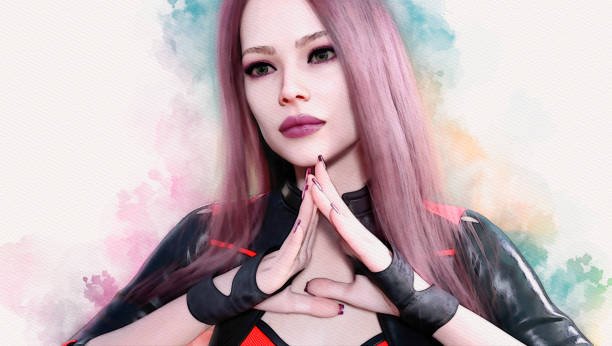
Generating the best ChatGPT prompts for anime-style photos provides a streamlined path for creators to translate complex artistic visions into precise instructions for AI image generators. This specialized prompting technique focuses on defining character expressions, intricate background details, and specific lighting styles that are characteristic of various animation eras. By using these structured inputs, you can achieve a professional look that maintains the emotional depth and vibrant energy found in high-quality anime productions.
This guide explores the most effective ways to communicate with artificial intelligence to produce diverse anime aesthetics, from classic hand-drawn styles to modern digital masterpieces. You will discover how to layer technical terminology with creative storytelling to get the most out of your generative art tools.
These are the Best ChatGPT Prompts for Anime-Style Photos
To produce high-quality anime imagery, you must understand that the AI needs more than just a simple subject description. It requires context regarding the sub-genre, the level of detail in the line art, and the specific color palette associated with famous animation studios. The following best ChatGPT prompts for anime-style photos are designed to give you a comprehensive starting point for various creative projects. Each prompt is crafted to help the AI understand the nuance of the "anime look," which involves a specific balance between simplified facial features and highly detailed environments. Use these examples to refine your own artistic workflow and produce consistent results across different platforms.
1. Ghibli-Inspired Pastoral Landscapes
The Studio Ghibli aesthetic is world-renowned for its lush, hand-painted watercolor backgrounds and its sense of peaceful nostalgia. To achieve this look, your ChatGPT prompt for anime-style photos should emphasize natural elements, soft sunlight, and a painterly texture that feels organic rather than digital. Focus on describing the movement of the grass, the shape of the cumulus clouds, and the specific "cozy" atmosphere that makes Ghibli films feel so inviting. This style often uses a vibrant but grounded color palette, emphasizing greens, blues, and warm earth tones. It is perfect for creating desktop wallpapers or concept art for relaxing adventure games.
Act as a professional prompt engineer for AI art. Create a detailed prompt for a Studio Ghibli-style landscape featuring a small cottage tucked into a rolling green hillside. Emphasize watercolor textures, soft summer lighting, fluffy white clouds in a bright blue sky, and a sense of quiet nostalgia. The style should look hand-painted with visible brushstrokes.
2. High-Octane Shonen Action Sequences
Shonen anime is defined by its dynamic energy, high-contrast lighting, and dramatic "speed lines" that convey movement and power. When you are looking for the best prompt for ChatGPT for anime-style photos in this genre, you should focus on the character's pose and the environment's reaction to their power. Use words like "kinetic energy," "lightning sparks," or "shattered ground" to add a sense of impact to the scene. The lighting should be intense, often featuring a strong secondary light source to highlight the character's muscles or outfit. This style is ideal for character reveals or epic battle scenes in a digital portfolio.
Generate a prompt for a high-intensity shonen anime action scene. A warrior is performing a mid-air strike with a glowing energy sword. Include dynamic camera angles from below, thick black ink lines, dramatic lens flares, and debris flying through the air to emphasize the power of the attack.
3. Retro 90s Cyberpunk Aesthetic
The 90s era of anime, characterized by classics like Akira or Ghost in the Shell, has a very specific "crunchy" look involving film grain, neon glows, and dark, detailed mechanical designs. Your ChatGPT prompts for anime-style photos should mention things like "VHS aesthetic," "chromatic aberration," and "lo-fi grain" to replicate this retro feel. Focus on the contrast between the dark city streets and the bright, flickering neon signs. This style often uses a lot of detailed mechanical parts, so describing wires, glowing computer screens, and industrial textures is essential for authenticity. It evokes a sense of urban grit that is highly popular in modern digital art communities.
Create a 90s retro anime prompt set in a cyberpunk city at night. Describe a character wearing a leather jacket standing under a flickering neon sign in the rain. Include details like lo-fi film grain, a slight glow effect on all lights, and the dark, detailed industrial background typical of 1990s ova releases.
4. Makoto Shinkai-Style Cinematic Realism
Makoto Shinkai is famous for his hyper-realistic lighting, breathtaking skies, and emotional use of lens flares. To replicate this style, you need to focus on the interplay of light and shadow, particularly during "golden hour" or sunset. Your prompt should describe how light reflects off of train tracks, puddles, or glass windows. The sky is often the most important part of these images, so be sure to mention vibrant purples, oranges, and pinks in the clouds. This style is often used for romantic or melancholic scenes where the environment reflects the internal feelings of the characters. It is arguably the most visually impressive style for modern AI generators to tackle.
Write a prompt for a cinematic anime scene in the style of Makoto Shinkai. A girl is standing on a train station platform during a vibrant purple and orange sunset. Focus on the hyper-detailed lighting, the realistic reflections on the metal tracks, and the emotional atmosphere created by numerous lens flares and glowing particles.
5. Dark Fantasy and Gothic Horror Anime
Dark fantasy anime often features intricate armor, gothic architecture, and a heavy use of shadows to create a sense of dread or mystery. When crafting a ChatGPT prompt for anime-style photos in this sub-genre, use terms like "chiaroscuro," "jagged lines," and "desaturated colors." You might want to describe a character in ornate, dark plate armor standing in front of a crumbling cathedral. The focus here is on texture and mood; the metal should look cold and sharp, and the environment should feel oppressive. This style is perfect for fans of series like Berserk or Hellsing, where the visual weight of the image is just as important as the subject matter.
Generate a dark fantasy anime prompt. Describe a knight in black ornate armor standing in a moonlit gothic graveyard. Use a desaturated color palette with splashes of deep red. Emphasize the sharp, jagged line art and the heavy, dramatic shadows that hide the character's face.
6. Slice of Life and Lo-fi Cozy Interiors
The "lo-fi" aesthetic has become a global phenomenon, focusing on cozy, cluttered rooms with warm lighting and a sense of calm. The best prompt for ChatGPT for anime-style photos for this look should include specific objects like "steaming mugs of tea," "stacks of books," and "glowing desk lamps." The lighting is the most important factor here; it should be soft and inviting, usually coming from a single source within the room. This style often uses a slightly desaturated, pastel-leaning color palette to enhance the relaxing vibe. It is a favorite for creators looking to produce background art for music videos or social media posts.
Create a prompt for a lo-fi anime interior scene. A student is studying at a cluttered desk late at night. The only light comes from a warm desk lamp, creating a cozy glow. Include details like a cat sleeping on the bed, rain on the window, and a soft, slightly blurred focus to enhance the relaxing atmosphere.
7. Cybernetic Mecha and Robot Designs
Mecha anime requires a high level of technical detail regarding the robot's surfaces, joints, and weaponry. Your ChatGPT prompts for anime-style photos should mention "hard surface modeling," "metallic reflections," and "hydraulic parts." You should describe the scale of the robot by comparing it to the surrounding environment, such as a giant mech standing among skyscrapers. The lighting should highlight the different textures of the metal, from matte armor plates to shiny chrome joints. This genre is all about the "cool factor" of the machinery, so be sure to include glowing sensors or exhaust vents for added visual interest.
Write a detailed prompt for a giant mecha robot in a futuristic hangar. Focus on the technical details like exposed wires, hydraulic pistons, and weathered armor plates. Use dramatic industrial lighting that catches the edges of the metal, and include small human workers at the base to show the massive scale of the robot.
8. Shojo-Style Romance and Sparkle
Shojo anime often focuses on emotion, using soft focus, flower petals, and "sparkle" effects to highlight a character's beauty or a romantic moment. To get this look, use words like "ethereal," "dreamy," and "shimmering." The eyes of the characters are usually very large and detailed, often containing reflections of stars or light. The backgrounds are often more abstract, using gradients and floral patterns rather than realistic scenery. This style is excellent for creating profile pictures or greeting card designs that feel lighthearted and beautiful.
Generate a shojo-style anime prompt for a romantic confession scene. A boy and girl are standing under a cherry blossom tree. Use a soft, dreamlike focus with many floating pink petals and sparkling light effects. The characters should have large, expressive eyes with a lot of detail, and the overall color palette should be pastel and bright.
9. Isekai Fantasy World Building
Isekai anime often takes place in vibrant, magical worlds filled with mythical creatures and glowing forests. The best prompt for ChatGPT for anime-style photos in this category will focus on "magical particles," "ancient ruins," and "bioluminescent plants." Describe the world as being "high-fantasy," with floating islands or giant crystals protruding from the earth. The colors should be saturated and magical, using glowing blues and purples to represent mana or magic. This style allows for the most creativity in environmental design, as you are not bound by the laws of our world.
Create a prompt for an isekai fantasy landscape. A traveler is standing on a cliff overlooking a forest of giant glowing mushrooms and floating islands. Include details like a distant dragon flying in the sky, ancient stone ruins covered in glowing moss, and a vibrant, saturated color palette that feels magical.
10. Modern Webtoon and Manhwa Aesthetic
The modern webtoon style often features very clean line art, digital gradients, and a sleek, fashionable look for the characters. When prompting for this, emphasize "clean vector lines" and "flat shading with soft highlights." The characters should look like they are wearing modern, trendy clothing and have a very polished, "idol-like" appearance. This style is great for contemporary stories and social media avatars. It is a more minimalist approach compared to the heavy detail of 90s anime, focusing more on character design and clean presentation.
Write a prompt for a modern webtoon-style character. A fashionable young man is walking down a city street in Seoul. The line art should be very clean and thin, with vibrant digital colors and soft cel-shading. Focus on his trendy outfit and the blurred, colorful city background that looks like a high-quality digital painting.
11. Horror Anime with Psychological Tension
Horror anime like Junji Ito's work or Tokyo Ghoul uses distorted features and high-contrast shadows to create a feeling of unease. Use ChatGPT prompts for anime-style photos that mention "body horror," "heavy ink hatching," and "distorted perspectives." The color palette should be very limited, perhaps focusing only on black, white, and a single accent color like deep red. Describing "shadowy figures" or "creeping veins" helps the AI understand the psychological nature of the horror. This is a very niche but powerful style for creating striking, dark artwork.
Generate a prompt for a horror anime scene. A character is looking into a mirror and seeing their reflection slowly distorting. Use heavy black ink lines, high-contrast shadows, and a desaturated, creepy atmosphere. Include subtle details like cracks in the glass and a sense of claustrophobia.
12. Sports Anime Intensity and Motion
Sports anime is all about the physical strain and the "heat of the moment." To capture this, your prompt should mention "sweat beads," "motion blur," and "determined facial expressions." You can ask for a "fisheye lens" effect to make the action feel more immediate and intense. The background should be slightly blurred to keep the focus on the athlete's movement. This style uses very bold lines and saturated colors to emphasize the energy of the competition. It is perfect for capturing the essence of series like Haikyuu or Kuroko’s Basketball.
Create a prompt for a sports anime scene. A basketball player is mid-dunk, with sweat flying off their face and a look of intense focus. Use motion blur on the background and speed lines around the character to show velocity. The lighting should be bright and harsh, like in a stadium, with bold, energetic line work.
13. Magical Girl Transformation and FX
The magical girl genre is famous for its elaborate transformation sequences involving ribbons, stars, and glowing hearts. Use the best prompt for ChatGPT for anime-style photos to describe these "special effects" in detail. Mention "translucent ribbons of light," "glowing pentagrams," and "sparkling dust." The character's outfit should be described as being made of "shining fabric" or "ethereal materials." The background is usually a cosmic or abstract space that highlights the character's change. This is a very colorful and flashy style that tests the AI's ability to handle complex lighting effects.
Write a prompt for a magical girl transformation sequence. A character is surrounded by swirling ribbons of light and glowing stars. Her outfit is partially forming from magical energy. Use a cosmic background with nebulae and bright, saturated colors like pink, gold, and violet. The overall look should be sparkling and highly detailed.
14. Steampunk Anime and Clockwork Tech
Steampunk anime combines Victorian-era aesthetics with steam-powered machinery. Your ChatGPT prompts for anime-style photos should include "brass pipes," "leather goggles," and "flying airships." Focus on the "sepia-toned" or "warm metallic" color palette. Describe the intricate gears and steam vents in the background to establish the technological level of the world. This style often feels very tactile and heavy, so mentioning "weathered metal" and "worn fabric" can add a lot of realism to the anime aesthetic. It is a fantastic genre for world-building and character design.
Generate a prompt for a steampunk anime character on an airship deck. Describe her outfit with leather straps, brass buckles, and a pair of intricate goggles on her head. The background should show giant spinning gears and steam rising from vents, with a warm, sepia-toned sunset light hitting the scene.
15. Chibi and Kawaii Character Design
Chibi characters are a staple of anime, featuring oversized heads and small bodies for a "cute" or "kawaii" effect. The prompt for this should emphasize "exaggerated proportions," "round shapes," and "simple, clean lines." The expressions should be very clear and often comedic, such as "sparkle eyes" or "blushing cheeks." This style is very popular for stickers, emojis, and merchandise design. It requires a much simpler approach to shading and detail, focusing more on the charm and personality of the character design.
Create a prompt for a cute chibi-style anime character. The character is a small wizard holding a staff that is too big for them. Use very simple cel-shading, large expressive eyes, and round, soft features. The background should be a simple pastel gradient to keep the focus on the character's cuteness.
Things to Consider for Generating Best ChatGPT Prompts for Anime-Style Photos
Creating the perfect anime image is not just about the subject; it is about the technical "DNA" of the art style. When you are using generative tools, there are several factors that can make or break the final result. Here are the most important things to keep in mind to ensure your images look like authentic anime and not just generic digital art.
1. Line Art and Cel Shading: The defining characteristic of anime is its use of clear lines and distinct layers of shading, known as "cel shading." In your best ChatGPT prompts for anime-style photos, you should always specify if you want "thick, bold lines" or "thin, delicate line art." If you do not specify this, the AI might try to blend the colors too much, resulting in a 3D or painterly look that doesn't feel like traditional anime.
2. Aspect Ratios and Framing: Most anime is produced in a 16:9 widescreen format to give it a cinematic feel. If you are using a tool like Midjourney, remember to add `--ar 16:9` to the end of your prompt. You can also specify the "camera angle," such as a "low angle" for a powerful character or a "wide shot" to show off a beautiful landscape. Framing the character correctly is essential for storytelling in a single image.
3. Handling Negative Prompts: To get the cleanest anime look, you often need to tell the AI what *not* to do. Common negative prompts include "3D render," "photorealistic," "realism," and "gradient mesh." These instructions help the AI stay within the 2D plane of traditional animation. Removing these elements is often the final step in refining a ChatGPT prompt for anime-style photos to ensure it stays true to the genre.
4. Color Theory in Anime: Different genres of anime use different color schemes to set the mood. Horror uses desaturated and cold colors, while "Slice of Life" uses warm, pastel tones. You can use ChatGPT to help you define a "color script" for your prompt. Mentioning specific palettes, like "neon and magenta" or "earthy browns and forest greens," will help the AI create a more cohesive and professional-looking image.
5. Statistics on AI Art and Anime: Recent surveys show that nearly 45 percent of AI-generated art is currently focused on the anime and manga style, making it one of the most well-supported genres in AI training models. This means that the AI has a deep "knowledge" of anime, but it also means the market is crowded. Using precise prompts is the only way to make your work stand out from the millions of generic anime images being generated every day.
6. Ethical Use of Artist Styles: While it is common to use the names of famous directors or studios in your prompts, it is important to use this as a "style guide" rather than a way to plagiarize. Try to combine multiple influences—such as "Ghibli backgrounds with 90s character designs"—to create something unique. This approach allows you to respect the original creators while using the AI to explore new creative territories that haven't been seen before.
Conclusion
Mastering the best ChatGPT prompts for anime-style photos is an ongoing process of experimentation and refinement. By understanding the technical elements of line art, lighting, and genre-specific aesthetics, you can guide the AI to produce results that are indistinguishable from professional illustrations. These prompts provide a foundation for your creativity, allowing you to build entire worlds and characters with just a few well-chosen words. Whether you are creating a nostalgic 90s tribute or a modern cinematic masterpiece, the quality of your input will always determine the brilliance of your output. As the technology continues to evolve, the ability to communicate your artistic vision through a ChatGPT prompt for anime-style photos will remain one of the most valuable skills for any digital creator in the modern era.
Enjoyed this read?
Share it with your friends and colleagues.