Best ChatGPT Prompts For An Action Figure

AskSide
October 22, 2026
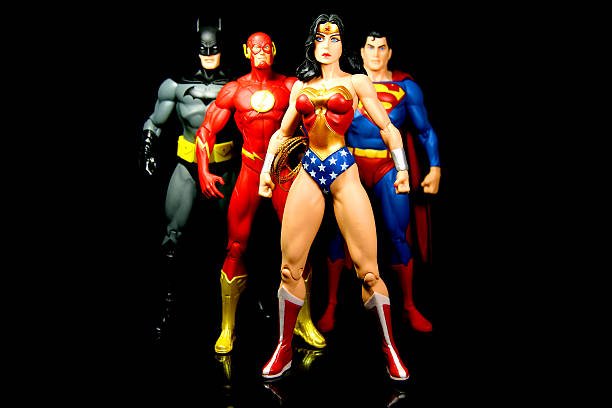
Using the best ChatGPT prompts for an action figure allows toy creators to streamline the design process from initial concept sketches to final production details. This method provides a structured way to brainstorm articulation points and unique character accessories while maintaining a consistent brand aesthetic. By leveraging artificial intelligence, designers can quickly iterate on lore and marketing copy to ensure their product stands out in a competitive retail or collector market.
This comprehensive guide explores the specific ways you can use generative intelligence to build a successful and highly detailed toy line. You will learn how to refine technical specifications and creative narratives to produce a high quality collectible that appeals to fans and investors alike.
These are the Best ChatGPT Prompts for An Action Figure
To create a truly successful toy, you must balance artistic creativity with physical engineering. The following prompts are designed to help you cover every stage of the lifecycle of a toy, from the moment of conception to the marketing campaign that sells it. Using a specific ChatGPT prompt for an action figure can save you weeks of brainstorming by providing instant feedback on character themes, articulation mechanics, and color theory. Whether you are an independent creator or part of a larger design team, these instructions will help you maximize the utility of AI in your creative workflow.
1. Conceptualizing Character Archetypes
Every great toy starts with a compelling character that captures the imagination of the audience. You can use the AI to generate unique archetypes that move beyond the standard superhero or soldier tropes. By asking for a mix of genres, such as cyberpunk mixed with ancient mythology, you can create a character that feels fresh and original. The AI can provide a physical description that includes height, weight, and key visual features that can be passed on to a concept artist. This foundational step is critical for ensuring that the toy has a clear identity from the very beginning.
Act as a professional toy concept designer. I want to create a new line of action figures based on a "Deep Sea Space Explorer" theme. Provide a detailed physical description for the lead character, including suit materials, helmet design, and glowing biological elements that could be represented by translucent plastic.
2. Defining Points of Articulation
The "playability" of a figure is often determined by its points of articulation, or POA. A best prompt for ChatGPT for an action figure in the engineering phase should ask for a breakdown of joints, such as ball-jointed necks, butterfly shoulders, and double-jointed knees. You can ask the AI to suggest which joints are necessary for a specific scale, like 1/12 or 1/6, to ensure the figure can hold dynamic poses. This technical detail is vital for the factory mold stage, where the placement of pins and sockets determines the structural integrity of the final product. Understanding the mechanical limits of plastic helps prevent breakage during play or display.
I am designing a 6-inch scale martial arts action figure. List 20 points of articulation that would allow the figure to perform a high kick and a crouching stance. Specify which joints should be ball-hinges and which should be swivels for maximum range of motion.
3. Crafting Immersive Backstories and Lore
Collectors are often more invested in a figure if it comes with a rich story that gives the character purpose. You can use ChatGPT prompts for an action figure to generate "file card" style biographies that explain the character's origin, alliances, and enemies. This narrative can be printed on the back of the packaging to enhance the value of the product. The AI can also suggest names for the character's special abilities or "signature moves" that can be highlighted in marketing materials. A well-written backstory helps build a world that fans want to collect in its entirety, leading to higher sales for secondary characters.
Write a 150-word backstory for a villainous action figure named 'Cinder-Byte,' a rogue AI that has inhabited a discarded industrial robot. Include his primary motivation for conquest and mention a secret weakness that could be exploited by the heroes in the toy line.
4. Designing Accessories and "Build-A-Figure" Pieces
Accessories are what make an action figure feel complete, whether it is a set of interchangeable hands, specialized weaponry, or a piece of a larger character. You can ask the AI to brainstorm a list of gear that complements the character's theme and fits within a specific price point. If you are planning a "Build-A-Figure" or BAF wave, the AI can suggest how to divide a large character into six or seven pieces to be distributed across individual figures. This encourages customers to buy the entire set to complete the oversized companion piece. This strategy is a staple of modern toy lines like Marvel Legends or DC Multiverse.
Suggest a set of five accessories for a post-apocalyptic scavenger action figure. Include at least one large weapon, one wearable item, and three small survival tools. Ensure the accessories have textures like weathered metal or scavenged cloth.
5. Optimizing Packaging Design and Copy
The packaging is the first thing a customer sees, and it must communicate the excitement of the toy within seconds. Using the best ChatGPT prompts for an action figure, you can generate catchy taglines and descriptive blurbs for the front and back of the box. You can also ask for layout suggestions, such as where to place the "window" to best showcase the figure and its accessories. The AI can help you write the legal warnings and age-appropriateness statements required by different international markets. Good packaging copy not only sells the product but also establishes the tone of the brand, whether it is gritty and realistic or bright and adventurous.
Write the box copy for a high-end collector figure. Include an exciting headline, a three-sentence description of the character's mission, and a bulleted list of 'Special Features' like 'Premium Paint Deco' and 'Collector-Grade Articulation.'
6. Selecting Materials and Plastic Types
Choosing the right plastic is essential for the durability and look of the toy. You can use the AI to research the benefits of using ABS plastic for the torso to maintain rigidity, while using PVC for the limbs to allow for a slight flex. A specific ChatGPT prompt for an action figure can help you understand the difference between TPE for soft-goods and standard resins for 3D printing prototypes. This knowledge is crucial when communicating with overseas manufacturers to ensure the final product meets safety standards and quality expectations. Selecting the wrong material can lead to "joint frozen" issues or paint chipping, which frustrates collectors.
Explain the pros and cons of using injection-molded PVC versus 3D-printed resin for a limited-edition action figure run of 500 units. Which material will better hold fine detail and survive shipping without snapping?
7. Generating Color Palettes and Paint Specs
Color theory plays a massive role in the shelf presence of a toy. You can ask the AI to suggest complementary color schemes that evoke specific emotions, such as using high-contrast oranges and blues for a heroic feel. The AI can also provide instructions for paint "deco" like dry-brushing to show wear and tear or using a "wash" to bring out the details in a sculpt. By providing these specifications to your paint masters, you ensure that the mass-produced version looks as close to the hand-painted prototype as possible. Consistent color application is a hallmark of premium toy brands.
Suggest three different color palettes for a robotic soldier action figure. One should be 'Stealth Ops' (dark and muted), one should be 'Prototype' (industrial and bright), and one should be 'Battle Damaged' (metallic with rust effects).
8. Planning for 1/12 and 1/6 Scale Differences
Different scales require different levels of detail and engineering. A 1/12 scale figure (roughly 6 inches) relies on sculpted detail, while a 1/6 scale figure (12 inches) often uses "soft goods" or real fabric clothing. You can use a ChatGPT prompt for an action figure to help you decide which scale is best for your target audience and price point. The AI can explain how to adjust the proportions of a character so it looks natural at a smaller size, where certain features might need to be slightly exaggerated to be visible. This ensures that the figure looks "correct" when placed alongside other popular brands on a collector's shelf.
Compare the design requirements for a 1/12 scale figure versus a 1/6 scale figure of the same character. Focus on how the use of fabric clothing affects articulation and what level of facial detail is expected by collectors at each size.
9. Developing Marketing and Social Media Campaigns
Once the figure is ready for pre-order, you need a marketing strategy that reaches the right fans. The AI can generate a month-long social media calendar including "teaser" posts, "behind-the-scenes" looks at the sculpt, and "reveal" announcements. You can also ask for email marketing templates to send to your subscriber list. The best prompt for ChatGPT for an action figure in marketing will focus on the unique selling points, such as an exclusive accessory or a limited production run. Effective marketing creates a sense of "FOMO" (fear of missing out) that can lead to a quick sell-out of your first wave.
Create a 4-week social media teaser campaign for a new 'Cyber-Ninja' action figure. Include captions for Instagram and Twitter that build mystery in the first two weeks and show off the full articulation in the final week.
10. Safety Testing and Compliance Standards
Toys are subject to strict safety regulations, such as the CPSIA in the United States or the CE mark in Europe. You can use ChatGPT to get a general overview of the tests your figure will need to pass, such as the "small parts" test for children's toys or lead paint restrictions. While the AI is not a legal expert, it can help you prepare a checklist for your factory to ensure they are using non-toxic materials. This prevents costly recalls and ensures that your brand is seen as professional and trustworthy. Knowing these requirements during the design phase allows you to avoid small accessories that might be choking hazards for younger age groups.
What are the standard safety tests required for an action figure sold in the European Union? Please list the common hazards designers should avoid, such as sharp edges or brittle plastics that could shatter during a drop test.
11. Designing Bases and Diorama Displays
A great base can turn a simple figure into a museum-quality display piece. Use the AI to brainstorm base designs that reflect the character's environment, such as a cracked city street for a superhero or a mossy forest floor for a fantasy knight. You can also ask for prompts to help design "effect parts" like fire, electricity, or energy blasts that can be attached to the figure's hands. These additions increase the "perceived value" of the toy, allowing you to charge a premium price. Collectors often look for figures that come with a complete "scene" rather than just a loose character.
Describe three different display base designs for a 'Space Marine' action figure. Include ideas for integrated LED lighting, metallic textures, and slots to hold the figure's secondary weapons when not in use.
12. Creating Instructions for 3D Printing Prototypes
Before moving to expensive steel molds, you must 3D print a prototype to test the articulation and scale. You can use a ChatGPT prompt for an action figure to help you troubleshoot common 3D printing issues, such as joint tolerances or support placement. The AI can suggest the best orientation for printing a head sculpt to preserve the most detail or how to hollow out a torso to save on resin. This stage allows you to hold a physical version of your design and make adjustments to the "hand feel" and balance. A well-designed prototype is the most important tool for convincing investors to fund your production run.
I am 3D printing a prototype of an action figure on an SLA resin printer. What are the best settings for wall thickness and joint tolerances to ensure the ball joints are tight enough to hold a pose but not so tight that they snap?
13. Identifying Trends in the "Kidult" Market
The toy industry has seen a massive shift toward "kidults," or adult collectors who buy high-end toys for display. Using ChatGPT, you can research current trends in this market, such as the demand for 90s nostalgia or high-detail "retro" style figures. This data helps you decide whether to focus on a "vintage" 5-point-of-articulation style or a hyper-modern 30-point-of-articulation style. Recent statistics show that adult collectors now account for nearly 25 percent of all toy sales, making them a more profitable target than children in some categories. Understanding this demographic is key to long-term brand sustainability.
Analyze the current trends in the adult action figure collector market for 2024 and 2025. Which genres are seeing the most growth, and what features do collectors prioritize: packaging art, articulation, or character rarity?
14. Licensing and Intellectual Property Pitches
If you want to create a figure based on an existing movie, comic, or video game, you need a professional pitch. The AI can help you draft a proposal for a license holder that explains why your brand is the right fit for their property. You can include details about your distribution network, your commitment to accuracy, and your unique design aesthetic. A strong pitch can lead to lucrative partnerships that provide instant brand recognition. The AI can also help you understand the basics of royalty structures and minimum guarantees common in the toy licensing world.
Write a professional pitch letter to an indie comic book creator. I want to license their main character for a 1/12 scale action figure line. Highlight my team's expertise in high-detail sculpting and our plan for a limited-edition 'Day One' variant.
15. Simulating Collector Reviews and Feedback
Before you commit to a final design, you can ask the AI to act as a "toy reviewer" and critique your concept. This ChatGPT prompt for an action figure can highlight potential issues, such as a lack of accessories or a color scheme that looks too much like a competitor's product. By anticipating the complaints of the collector community, you can make changes that improve the reception of the toy upon launch. This "stress test" for your concept ensures that you aren't overlooking simple flaws that could sink the product's reputation. It is a cost-effective way to do market research before spending a single dollar on manufacturing.
Act as a popular YouTube toy reviewer. Critique the following action figure concept: A 7-inch tall 'Steampunk Knight' with 15 points of articulation, two gear-shaped shields, and a brown and gold color scheme. What would collectors complain about, and how could I make the figure more 'elite'?
Things to Consider for Action Figure Design with AI
While artificial intelligence is a powerful partner in the creative process, there are several practical and technical limitations you must manage to ensure your toy is a success. Building a physical product requires a different set of rules than creating digital art or text. Here are the most important things to consider when using AI-assisted design for the toy industry.
1. Material Shrinkage and Tolerance: Plastics shrink slightly as they cool in a mold. If your AI-generated measurements are too precise, the joints might not fit together after the manufacturing process. Always consult with a factory engineer to adjust your 3D models for "shrinkage rates," which can vary between 0.5 percent and 2 percent depending on the type of plastic used.
2. Balance and Center of Gravity: A figure that looks cool in a drawing might not be able to stand up on its own. If you design a character with massive wings or a heavy backpack, the center of gravity will be off. You must ensure that the feet are large enough or the joints are strong enough to support the weight of the figure in various poses without it tipping over constantly.
3. Paint Budget and Production Costs: Every "paint hit" or individual color application adds to the cost of the figure. If your best ChatGPT prompts for an action figure result in a design with 50 different colors, it will be too expensive to mass-produce. Learn to use "colored plastic" for large sections and reserve paint for the small details like eyes, logos, and weathering to keep your retail price competitive.
4. Mold Degradation and Part Count: Steel molds for injection molding can cost tens of thousands of dollars. The more individual pieces your figure has, the more molds you will need. A standard 6-inch figure usually has between 25 and 35 parts; try to stay within this range to maximize your profit margins while still providing the articulation that collectors expect from modern toys.
5. Safety Regulations for Small Parts: If your toy is intended for children under the age of three, it cannot have any small parts that fit inside a "choking tube." Even for adult collectibles, you should be mindful of sharp points that could cause injury. Always label your product clearly with the intended age range to protect yourself from legal liability and ensure your customers know exactly what they are buying.
6. Intellectual Property and Originality: Ensure that your AI-generated character doesn't accidentally mimic a copyrighted character too closely. AI models are trained on existing data, so they might suggest a "Dark Knight" that looks exactly like Batman. It is your responsibility to add enough unique features and original lore to ensure your action figure brand is legally distinct and can be trademarked safely.
Conclusion
Using the best ChatGPT prompts for an action figure is the most efficient way to turn a creative spark into a tangible product. By combining AI's ability to generate lore and marketing copy with your own understanding of engineering and materials, you can create toys that resonate with today's demanding collector market. Remember that the AI is a tool for iteration and brainstorming, but the final quality of the figure depends on your attention to detail during the manufacturing phase. As the "kidult" market continues to grow, the demand for high-quality, story-driven collectibles will only increase. By staying ahead of the curve with these advanced ChatGPT prompts for an action figure, you can build a successful toy line that stands the test of time and becomes a cherished part of a fan's collection.
Enjoyed this read?
Share it with your friends and colleagues.