
Best ChatGPT Prompts For Backyard Design

AskSide
October 22, 2026
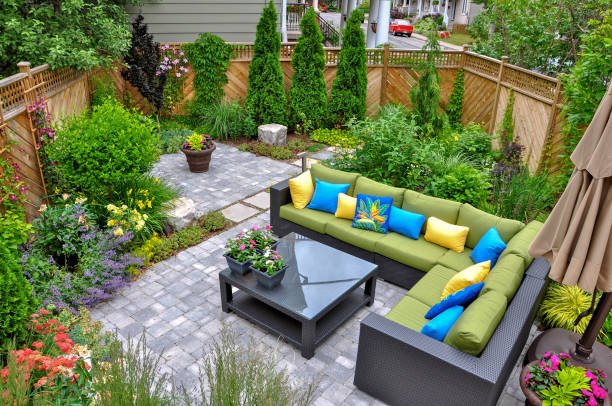
Using the best ChatGPT prompts for backyard design allows homeowners and landscape enthusiasts to generate creative layouts and innovative plant lists tailored to their specific climate. This artificial intelligence tool serves as a virtual landscape architect that can suggest hardscaping materials, lighting schemes, and sustainable gardening practices within seconds. By providing specific details about your yard size and lifestyle, you can receive a comprehensive plan that simplifies the renovation process while staying within your budget.
Planning an outdoor renovation often involves juggling aesthetic preferences with practical limitations like drainage and sunlight. This article explores how you can use advanced prompts to bridge the gap between inspiration and reality to ensure your project is a success.
These are the Best ChatGPT Prompts for Backyard Design
Transforming a standard lawn into a professionally designed oasis requires a combination of artistic vision and technical planning. The following instructions are crafted to help you explore every facet of exterior design, from the structural foundation to the final decorative touches. By using the best ChatGPT prompts for a backyard design approach, you can visualize different styles such as modern minimalism or rustic cottage gardens before you ever pick up a shovel. These prompts guide the AI to consider essential factors like local hardiness zones, soil quality, and how the space will be used throughout the year. Use these points as a starting guide to organize your thoughts and build a project brief that you can share with contractors or use for a DIY weekend.
1. Defining Your Aesthetic Landscape Style
The first step in any successful project is choosing a cohesive style that complements your home architecture. If you are unsure whether you want a xeriscape, a Japanese Zen garden, or a traditional English landscape, a ChatGPT prompt for backyard design can help you compare the benefits and visual elements of each. You should ask the AI to describe the color palettes, textures, and typical materials used in your preferred style to ensure consistency. This helps avoid a cluttered look where different elements clash with one another. A well-defined style serves as the roadmap for all future decisions regarding plants and furniture.
Act as a professional landscape architect. I want to design my backyard in a Mid-century Modern style. Please describe the key design principles, recommended color palettes, and typical hardscaping materials that will help me achieve this look.
2. Creating Functional Zones for Outdoor Living
A backyard should be more than just a view; it should be a series of functional "rooms" that serve different purposes. You can use the AI to brainstorm how to divide your space into areas for dining, lounging, gardening, and play. By providing the dimensions of your yard, the AI can suggest the best placement for these zones based on flow and proximity to the house. This ensures that your barbecue area is near the kitchen and your quiet reading nook is far from the noise of the street. Zoning is the key to making a large yard feel intimate and a small yard feel spacious.
I have a 40 foot by 60 foot rectangular backyard. Please suggest a layout that includes three distinct zones: a dining area for six people, a native plant garden, and a small play area for kids. Explain how to use paths to connect these zones naturally.
3. Selecting Climate-Appropriate Plants
One of the most common mistakes in landscaping is choosing plants that cannot survive the local weather. When you use the best prompt for ChatGPT for backyard design for plant selection, make sure to include your USDA Hardiness Zone or your specific city. The AI can then suggest a list of perennials, shrubs, and trees that are known to thrive in your area with minimal intervention. This not only saves you money on replacement plants but also supports the local ecosystem by including native species. Native plants are particularly important as they can reduce water consumption by up to 50 percent compared to non-native varieties.
I live in Hardiness Zone 8b. Please provide a list of 10 native plants including groundcovers, shrubs, and one shade tree that thrive in this climate. Include information on their sunlight requirements and how much water they need once established.
4. Designing Hardscapes and Patios
Hardscaping refers to the non-living elements of your yard, such as decks, patios, and retaining walls, which provide the structural framework for your design. You can prompt the AI to compare different materials like stamped concrete, natural flagstone, or composite decking based on cost and durability. Ask the AI to suggest patterns for pavers, such as herringbone or running bond, to add visual interest to your walkways. Hardscaping is often the most expensive part of a project, so getting the design right in the planning stage is a crucial essential element for budget control. It also adds significant value to your home, with some studies suggesting a well-designed patio offers a 70 percent return on investment.
Help me choose between a natural stone patio and a wooden deck for a sloped backyard. Compare the maintenance requirements, approximate installation costs per square foot, and which option is better for long-term durability in a rainy climate.
5. Water Feature Integration and Soundscapes
Adding a water feature can transform the atmosphere of your backyard by introducing the soothing sound of running water. Whether you want a simple wall fountain, a bubbling rock, or a full-scale koi pond, ChatGPT prompts for backyard design can help you understand the maintenance and installation requirements for each. The AI can also suggest ways to use water features to block out unwanted noise from neighbors or nearby traffic. This adds a sensory layer to your design that makes the space feel like a true escape from the bustle of everyday life. Consider asking about solar-powered pumps to keep your energy costs low and your footprint small.
I want to add a small, low-maintenance water feature to my garden to mask street noise. Suggest three different types of fountains that would work in a small space and describe the aesthetic impact of each.
6. Strategic Outdoor Lighting for Ambiance and Safety
Lighting is often an afterthought, but it is what allows you to use your backyard long after the sun goes down. Use the AI to plan a layered lighting scheme that includes task lighting for the grill, ambient lighting for the dining area, and accent lighting to highlight beautiful trees or statues. You can ask for advice on low-voltage LED systems or solar options to save on electrical work. Highlighting your paths not only looks professional but also prevents trips and falls, making your yard safer for guests. Good lighting can increase the usable hours of your backyard by nearly 30 percent during the autumn and winter months.
Design a lighting plan for a backyard with a large oak tree and a stone walkway. Explain where to place uplights, path lights, and string lights to create a warm and inviting atmosphere for evening gatherings.
7. Privacy Solutions and Natural Screening
If your neighbors are a little too close for comfort, you can use the AI to brainstorm creative privacy solutions that do not involve building a giant, ugly wall. Ask for suggestions on fast-growing hedges, trellis systems with climbing vines, or strategically placed pergolas. A ChatGPT prompt for backyard design can help you choose the right species of bamboo or evergreen that provides year-round coverage without taking up too much horizontal space. Privacy creates a sense of enclosure and security, which is vital for making your outdoor space feel like a private sanctuary. Natural screens also act as windbreaks and can help reduce soil erosion in windy areas.
Suggest five different natural privacy screens that grow to at least 6 feet tall. Compare their growth rates and whether they provide privacy in the winter as well as the summer. My yard gets partial shade.
8. Outdoor Kitchens and Entertainment Hubs
For those who love to host, an outdoor kitchen or a dedicated entertainment area is a major upgrade. You can ask ChatGPT to help you design a layout for a built-in grill, a pizza oven, or even a small bar. The AI can suggest the best materials for outdoor countertops, such as granite or concrete, that can withstand the elements. Ask for tips on how to integrate a television or a sound system into your outdoor space while protecting them from rain and humidity. This turns your backyard into a secondary living room that is perfect for summer parties and family dinners.
I want to build a small outdoor kitchen on my existing patio. What are the essential appliances I should include for a mid-range budget, and what materials should I use for the countertops to ensure they are weather-resistant?
9. Fire Pits and Cozy Fire Elements
A fire element serves as a natural focal point and a gathering spot for friends and family. You can use the AI to explore the differences between wood-burning fire pits, gas-powered tables, and permanent outdoor fireplaces. Ask about safety considerations, such as how far the fire pit should be from the house and overhanging trees. The AI can also suggest seating arrangements around the fire that encourage conversation and comfort. This is one of the most popular additions to modern yards, as it extends the outdoor season into the colder months. Statistics from real estate platforms show that fire pits are among the top three most requested outdoor features by home buyers.
Help me decide between a wood-burning fire pit and a propane fire table for a small backyard. Compare the ease of use, the 'vibe' they create, and any safety regulations I should be aware of for urban areas.
10. Sustainable and Eco-Friendly Gardening
Sustainability is a major trend in modern backyard design, focusing on reducing waste and supporting local wildlife. Use the AI to learn about rain gardens, which help manage runoff, or pollinator gardens that attract bees and butterflies. You can ask for a composting plan or tips on how to install a rain barrel to irrigate your plants for free. Promoting biodiversity in your yard helps create a healthier environment and reduces the need for chemical fertilizers and pesticides. Eco-friendly designs are often lower maintenance once they are established, saving you both time and effort in the long run.
How can I design an eco-friendly backyard that attracts local pollinators and uses minimal water? Provide a plan that includes native plants, a compost area, and a strategy for managing rainwater runoff.
11. Budget Planning and Cost Estimation
One of the hardest parts of any renovation is knowing how much things will actually cost. While AI cannot give you a live quote, it can provide rough estimates for labor and materials in your region. You can use a best prompt for ChatGPT for backyard design to ask for a "high-end" versus "budget-friendly" version of your plan. This helps you decide where to splurge and where to save. For example, you might choose to spend more on high-quality patio stones but save money by planting smaller shrubs that will grow over time. Budgeting accurately at the start prevents the project from stalling due to unexpected expenses.
I have a 10,000 dollar budget for a full backyard renovation. Please provide a breakdown of how I should allocate this money between hardscaping, plants, lighting, and labor to get the most impact for my investment.
12. Drainage and Irrigation Technical Solutions
Proper drainage is the most critical technical aspect of backyard design, as standing water can ruin your plants and even damage your home's foundation. You can use the AI to understand concepts like French drains, dry creek beds, and swales. Ask the AI to help you identify the "low spots" in your yard and suggest how to redirect water away from structures. This is particularly important for sloped yards where erosion can be a major issue. Poor drainage is responsible for nearly 80 percent of hardscape failures over a ten-year period, so investing in this stage is essential for the longevity of your project.
My backyard has a drainage issue where water pools near the back porch after heavy rain. Explain the difference between a French drain and a catch basin, and suggest which one would be better for my situation.
13. Child and Pet-Friendly Design Features
If you have children or pets, your backyard needs to be a safe and durable space for them to play. You can ask the AI to suggest non-toxic plants that are safe for dogs or soft groundcover options like clover that can handle heavy foot traffic. The AI can help you design a fenced-off area for a dog run or a creative play zone that fits into the overall aesthetic of your garden. This ensures that the yard is a space that everyone in the family can enjoy without worrying about safety or damage to delicate flowers. Designing with your pets in mind can reduce common problems like "yellow spots" on the grass and dug-up flower beds.
Suggest a pet-friendly backyard layout that includes a designated area for a dog to run and play. Recommend durable, non-toxic plants and groundcover options that can withstand a large dog's activity levels.
14. Small Yard and Vertical Gardening Solutions
A small backyard does not mean you have to sacrifice your gardening dreams. Use the AI to learn about vertical gardening, where you use walls and fences to grow plants upwards. Ask for suggestions on "space-saving" furniture like folding tables or built-in benches that include storage. The AI can help you use mirrors or light colors to make a small space feel much larger than it actually is. Small yards often benefit from a minimalist approach where every item has a purpose. Vertical gardens can increase your planting space by up to 200 percent in a compact urban environment.
I have a very small urban backyard. Suggest five vertical gardening ideas that allow me to grow vegetables and flowers without taking up valuable floor space. Include recommendations for the best climbing plants for a sunny wall.
15. Planning for Seasonal Transitions
A great backyard should look good in all four seasons, not just during the peak of summer. You can ask ChatGPT to help you choose plants with "winter interest," such as those with colorful bark or interesting seed pods. The AI can suggest how to transition your outdoor furniture for the winter or how to protect sensitive plants from frost. Planning for the "off-season" ensures that your view from the house remains beautiful even when it is too cold to go outside. This holistic approach to time ensures that your investment in your backyard pays off all year round.
What are some plants that provide winter interest in a garden? Suggest trees with interesting bark, evergreens, and shrubs with berries that will keep my backyard looking beautiful during the snowy months.
Things to Consider for Backyard Design
While using the best ChatGPT prompts for backyard design will give you a wealth of ideas, there are practical realities you must manage to turn those ideas into a physical reality. Landscaping is a complex blend of biology, engineering, and art that requires careful oversight. Here are the most important factors to keep in mind as you move from the planning phase to the construction phase of your outdoor project.
1. Local Building Codes and HOA Rules: Before you build a deck or put up a high fence, you must check your local municipal codes and Homeowners Association guidelines. Many areas have strict rules about the height of structures, the types of materials you can use, and even the species of plants you can grow. Failing to get the proper permits can lead to expensive fines or being forced to tear down your new project entirely.
2. Soil Testing and Preparation: Your plants will only be as healthy as the soil they grow in. Most urban soils are compacted or lacking in essential nutrients. It is a good idea to perform a soil test to determine the pH levels and nutrient content before you start planting. The best ChatGPT prompts for backyard design can help you interpret those results and suggest the right soil amendments, like compost or peat moss, to create a thriving environment for your new garden.
3. Maintenance Realistic Expectations: Be honest with yourself about how much time you want to spend working in your yard. A lush, flower-filled garden looks amazing but requires hours of weeding, pruning, and deadheading every week. If you prefer to spend your weekends relaxing, ask the AI for "low-maintenance" or "set and forget" landscaping options like xeriscaping or perennial shrubs. Knowing your maintenance limit prevents the yard from becoming a source of stress rather than a source of joy.
4. Sun and Shade Patterns: The amount of sunlight your yard receives changes throughout the day and throughout the seasons. A spot that is sunny in June might be in deep shade in October. Spend a few days tracking the sun's movement across your yard before you finalize your plant list or place your patio. Placing a sun-loving plant in the shade is the fastest way to kill it and waste your investment.
5. Long-term Growth and Scale: That cute little sapling you buy at the nursery might grow into a fifty foot tree that shadows your entire yard and lifts your neighbor's driveway with its roots. Always research the "mature size" of any tree or shrub you plan to install. The AI can provide this information, helping you space your plants correctly so they have room to grow without overcrowding each other or damaging your home's foundation.
6. Professional Help vs. DIY: While many landscaping tasks can be handled by a determined homeowner, some jobs are best left to the pros. Projects involving electricity, gas lines for fire pits, or complex drainage systems require specialized knowledge and tools. Use the AI to help you identify which parts of your plan are safe for a DIY approach and which parts require a licensed contractor to ensure safety and quality.
Conclusion
Leveraging the best ChatGPT prompts for backyard design is a game-changer for anyone looking to maximize the beauty and utility of their outdoor living space. By using these strategic instructions to guide the AI, you can generate detailed plans that consider everything from plant hardiness to functional zoning and budget management. It is important to remember that while the AI provides a fantastic starting point, your own personal taste and local environmental conditions should always guide the final decisions. A successful backyard reflects your lifestyle while respecting the natural constraints of your property. By combining the analytical power of artificial intelligence with your creative vision, you can create a best ChatGPT prompts for backyard design workflow that ensures your yard is the envy of the neighborhood. Start your journey today and watch as your dream garden slowly becomes a reality, one well-crafted prompt at a time.
Enjoyed this read?
Share it with your friends and colleagues.