Best ChatGPT Prompts for 3D Toy

AskSide
October 22, 2026
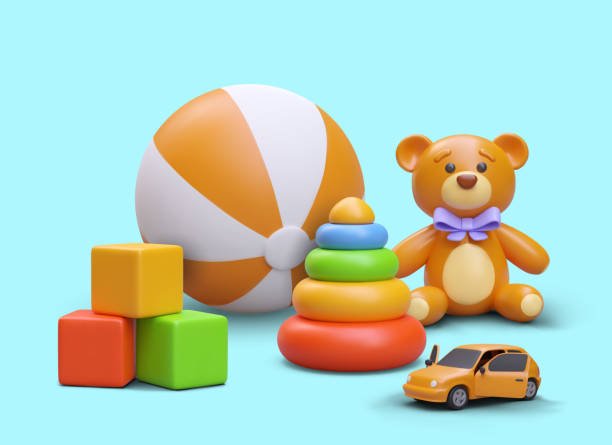
Selecting the best ChatGPT prompts for 3D toy creation allows designers to transform abstract ideas into tangible, play-ready models through highly detailed AI-generated blueprints. These automated instructions help you define critical parameters such as mechanical articulation, surface textures, and safety standards necessary for a high-quality physical output. By leveraging artificial intelligence in the early stages of design, you can efficiently bridge the gap between a creative concept and a production-ready model optimized for modern 3D printing technology.
The journey from a digital concept to a physical object requires a deep understanding of both aesthetics and functional engineering. This guide provides a series of structured instructions to help you maximize the creative potential of artificial intelligence in your toy manufacturing process.
These are the Best ChatGPT Prompts for 3D Toy
Designing toys with artificial intelligence requires a balance between artistic imagination and the technical constraints of physical manufacturing. The best ChatGPT prompts for 3D toy design must address the scale, the number of moving parts, and the specific aesthetic style to ensure the AI provides a viable blueprint for a 3D sculptor or printer. Below is a comprehensive list of professional prompts designed to help you create everything from complex mechanical robots to simple educational puzzles for children.
1. Designing a High-Articulated Action Figure
An action figure's value often lies in its poseability, which requires a deep understanding of joint mechanics. This ChatGPT prompt for 3D toy design focuses on specifying the points of articulation (POA) and the range of motion for each limb. It guides the AI to describe ball joints, hinge joints, and swivel points that are durable enough to withstand repeated play. By defining the scale, such as 1/12 or 6-inch, you ensure that the resulting description is proportional and realistic for collectors. Use this prompt to establish a technical foundation before moving into sculpting software like ZBrush or Blender.
Act as a professional toy engineer. Describe a 6-inch 3D action figure of a futuristic space explorer. Detail 22 points of articulation, including double-jointed knees, butterfly shoulders, and ball-jointed wrists. Explain the mechanical housing for each joint to ensure they remain tight over time. Provide a list of three swappable hand gestures and a removable oxygen tank accessory that clicks into the back using a 3mm peg system.
2. Creating Educational Geometric Puzzles
Educational toys must balance fun with cognitive development, often through interlocking shapes or logic puzzles. This prompt focuses on "tolerances," which is the tiny gap between parts that allows them to slide together without being too loose or too tight. It asks the AI to generate a concept for a multi-part puzzle that teaches spatial reasoning. By focusing on "tactile feedback" and "rounded edges," the prompt ensures the toy is both satisfying to use and safe for younger children. This is an excellent way to brainstorm new products for the STEM education market.
Generate a design for a 3D printable geometric puzzle toy for children aged 5 to 7. The puzzle should consist of 5 interlocking blocks that form a cube when assembled correctly. Specify a tolerance of 0.2mm between the pieces to ensure a smooth fit. Describe the unique textures on each block—such as ridges, dimples, and waves—to provide a sensory experience. Ensure the design has no sharp corners and is large enough to avoid being a choking hazard.
3. Developing Character Lore and Visual Identity
A toy is more successful when it has a story that captures the imagination of the user. This best prompt for ChatGPT for 3D toy development moves away from engineering and into the realm of branding and narrative. It asks the AI to create a backstory, a color palette, and a set of signature accessories that define the character's personality. Having this narrative "bible" helps maintain consistency if you decide to expand the toy into a full line of products. It also provides valuable text for the back of the packaging or marketing materials.
Create a detailed character profile for a new line of 3D toys called 'The Neon Guardians.' Provide a backstory for the lead character, 'Volt,' an electric-powered robot from a sunken city. Describe his signature color palette using specific Hex codes for neon blue, charcoal grey, and electric yellow. List five unique physical traits, like a transparent chest plate showing glowing gears, that would make this toy stand out on a store shelf. Suggest a motto or catchphrase for the character.
4. Optimizing Material Selection and Print Finishing
The physical feel of a toy depends heavily on the materials used and how the surface is treated after printing. This prompt asks the AI to act as a materials scientist to recommend the best filaments or resins for different parts of the toy. It addresses the trade-offs between PLA, ABS, and flexible TPU, explaining which parts of the toy should be rigid and which should be pliable. It also includes instructions for post-processing techniques like sanding, priming, and clear-coating to achieve a professional finish. This ensures your 3D print looks like a mass-produced product rather than a rough prototype.
I am 3D printing a custom toy at home. Act as a materials expert and recommend the best filament types for an action figure with moving parts. Explain why ABS might be better than PLA for joints that require friction. Provide a step-by-step guide for post-processing the 3D print to achieve a 'matte' professional finish, including which sandpaper grits to use and how to apply a final UV-resistant clear coat. Mention any safety precautions for handling these materials.
5. Designing Modular Mix-and-Match Toy Kits
Modular toys allow children to become creators by swapping parts between different characters. This ChatGPT prompts for 3D toy design focuses on creating a "universal connector" system so that every arm, leg, and head in the toy line is interchangeable. It instructs the AI to design a standard peg-and-socket dimension that remains consistent across various models. This approach increases the "play value" of the toys and encourages customers to collect the entire set. The prompt also suggests themes for different modules, such as "underwater" or "volcanic," to spark further creative ideas.
Design a modular 3D toy system where users can swap parts between 'Space Knights' and 'Deep Sea Raiders.' Define a universal ball-joint size (e.g., 5mm) that all limbs must use for compatibility. Describe three different torso designs, six arm variants with different tools, and four unique head sculpts. Explain how the pieces should 'snap' together to provide a satisfying click sound. Suggest a storage container design that looks like a high-tech laboratory.
6. Simulating Retro and Vintage Toy Aesthetics
Nostalgia is a major trend in the toy industry, with many creators wanting to replicate the look of toys from the 1980s and 90s. This prompt directs the AI to use "chunky" proportions, simplified articulation, and vibrant "radical" colors. It avoids the hyper-realism of modern toys in favor of a stylized, nostalgic feel that appeals to adult collectors. By specifying features like "thumb-cut" joints or "spring-loaded" action features, you can recreate the tactile experience of vintage playthings. This is perfect for designers looking to launch a retro-themed Kickstarter or indie toy line.
Create a 3D toy design concept that mimics the aesthetic of 1980s Saturday morning cartoon action figures. Focus on 'heroic' proportions with exaggerated muscles and a simple 5-point articulation system. Use a color palette of hot pink, neon green, and black. Describe a 'button-activated' feature, such as a waist-twist power punch. The design should have simplified facial features and bold, thick lines in the sculpt to make it easy to paint by hand.
7. Constructing Technical Blueprints for Mecha and Robots
Robot toys require a "hard-surface" modeling approach with many flat planes, sharp edges, and visible mechanical greebles. This prompt asks the AI to describe a complex "Mecha" with transforming capabilities or hidden compartments. It emphasizes the "industrial" nature of the design, requesting details on pistons, vents, and exposed wiring. This provides a clear roadmap for a 3D modeler to create a figure that looks functionally plausible and visually dense. It is a highly technical ChatGPT prompt for 3D toy enthusiasts who enjoy the "Transformers" or "Gundam" style of collectibles.
Act as a lead designer for a robot toy company. Provide a technical description for a 10-inch 3D Mecha toy that can transform into a tank. Detail the 'hinge-and-slide' mechanics needed for the arms to become the tank treads. Describe the surface detail, including recessed panel lines, hexagonal bolts, and ventilation grilles. Include a list of three integrated weapons, such as a shoulder-mounted railgun and wrist-mounted lasers, ensuring they don't interfere with the transformation process.
8. Designing Tabletop Gaming Miniatures
Tabletop miniatures require a different set of rules because they are much smaller, often ranging from 28mm to 32mm in height. This prompt focuses on "readability," which means making sure the most important features of the character are visible even at a tiny scale. It instructs the AI to exaggerate certain proportions, like the size of the head or the thickness of a sword, so they don't break during the printing process. This is an essential prompt for creators in the Dungeons and Dragons or Warhammer communities. It also includes ideas for the "base" of the miniature to add environmental storytelling.
Generate a description for a 32mm tabletop gaming miniature of a 'Necromancer.' Focus on exaggerated features that will be easy to see and paint, such as a tattered flowing cloak and a large staff topped with a glowing skull. Ensure the staff and arms are thick enough to be durable in a resin print. Describe a scenic 25mm circular base featuring cracked earth and small emerging skeletal hands. Provide a suggested color scheme for the robes that uses high-contrast highlights for a dramatic look.
9. Safety Compliance and Age-Appropriate Design
Safety is the most important factor in toy design, especially for products intended for mass market sale. This prompt asks the AI to review a toy concept against international safety standards like ASTM F963 or EN71. It identifies potential hazards such as "small parts," "sharp points," and "finger entrapment" zones. While the AI is not a legal expert, this prompt helps you catch obvious design flaws early in the process. This is a vital step for any entrepreneur who wants to ensure their 3D printed toys are safe for the intended age group. It adds a layer of professionalism to your production workflow.
I have a design for a 3D printed pull-toy for toddlers. Act as a toy safety consultant and provide a checklist of 5 safety features I must include. Mention the minimum size for any detachable parts to prevent choking and the required radius for rounded edges. Warn me about 'pinch points' in the wheels or axles where a child's finger might get stuck. Suggest non-toxic filament options and explain why a smooth surface finish is necessary to prevent skin irritation.
10. Conceptualizing Blind Box and Collectible Series
The "blind box" model relies on a series of toys where customers don't know which one they are getting, often featuring a "common," "rare," and "ultra-rare" hierarchy. This prompt helps you brainstorm a cohesive theme for a series, such as "Space Cats" or "Food Monsters." It asks the AI to create six distinct variations on a single base model, ensuring they look like they belong to the same family while having unique traits. This is a brilliant way to build a brand that encourages repeat purchases and community trading. The prompt also suggests a "chaser" figure with a special metallic or glow-in-the-dark finish.
Design a series of 6 collectible 3D mini-figures called 'Urban Sprites.' The theme should be mythical creatures living in a modern city (e.g., a pigeon-gryphon or a sewer-dragon). Create a description for 4 common figures, 1 rare figure with translucent wings, and 1 'ultra-rare' chaser figure with a metallic gold finish. Ensure all figures share a similar 'chibi' art style with large heads and small bodies. Suggest a blind-box packaging concept that uses mystery silhouettes on the side of the box.
11. Designing Water-Safe Bath and Pool Toys
Water toys need to be designed with "buoyancy" and "drainage" in mind to prevent mold growth and ensure they float correctly. This prompt asks the AI to design a toy that is hollow but balanced so it stays upright in the water. It emphasizes the need for large drainage holes so water can be easily emptied after use. This is a specialized best prompt for ChatGPT for 3D toy creators who want to explore the bathtub or pool toy market. It also suggests using textures that are easy to grip when wet, making the toy more functional for small hands.
Create a 3D design for a set of floating bath toys shaped like 'Submarine Animals.' Ensure the center of gravity is low so the toys always float upright. Describe large, integrated drainage holes to prevent water from being trapped inside and causing mold. Use a minimalist, rounded aesthetic that is easy for a child to grip with wet hands. Suggest a material like TPU or a food-safe resin that can handle frequent immersion in warm, soapy water.
12. Crafting Kinetic and Wind-Up Mechanisms
Kinetic toys use gears and springs to create movement without the need for batteries. This prompt focuses on "mechanical advantage" and "gear ratios," asking the AI to describe a simple internal mechanism for a walking or spinning toy. It provides a blueprint for how the 3D printed parts should interact, such as a "ratchet and pawl" system. This is a great way to challenge your engineering skills and create a toy that feels "alive" through physics. The result is a highly engaging toy that provides a sense of wonder for both the builder and the user.
Act as a mechanical engineer specializing in kinetic art. Describe a 3D printable wind-up toy of a hopping frog. Provide a detailed breakdown of the internal gear system, including a mainspring housing and a series of linkages that convert rotational motion into a hopping movement. Explain how to print the gears to minimize friction, perhaps suggesting a specific orientation or the use of a lubricant. Ensure the 'key' for winding is large, ergonomic, and aesthetically matches the frog's design.
13. Seasonal and Holiday-Themed Toy Specials
Updating a toy line for the holidays is a great way to keep your brand relevant throughout the year. This prompt allows you to take an existing character and give it a seasonal "skin," such as a winter outfit or a spooky Halloween costume. It maintains the core identity of the toy while adding festive elements like Santa hats, pumpkins, or heart patterns. This is an easy way to generate "Limited Edition" products that drive sales during specific times of the year. Using ChatGPT prompts for 3D toy variations ensures you don't have to start from scratch for every holiday release.
I have a robot toy character named 'Bleep.' Create three 'Seasonal Special' variants of this 3D toy. One should be a 'Winter Edition' with a sculpted scarf and snow-covered shoulders. The second should be a 'Spooky Edition' where the robot's head is replaced with a glowing jack-o'-lantern. The third should be a 'Summer Edition' featuring a surfboard accessory and a floral-patterned chassis. Describe how these accessories can be made 'removable' so users can revert back to the original design after the holiday.
14. Designing Plushie-Inspired Soft-Edge 3D Models
Some toys aim to replicate the "cuddly" look of a plushie but in a durable, 3D printed form. This prompt focuses on "soft-surface" modeling, which uses smooth curves and "pillowy" volumes to create a friendly, non-threatening appearance. It is ideal for nursery decor, night lights, or "comfort toys" for children. By specifying a "velvet" or "flocked" texture in the prompt, you can guide the AI to imagine a surface that looks soft to the touch. This style is very popular in the "art toy" scene and often features muted, calming color palettes.
Generate a 3D design for an 'Art Toy' that looks like a soft, stuffed bear but is made of a durable matte plastic. Use large, simple volumes and avoid any sharp transitions between the limbs and the torso. The eyes should be simple black beads, and the overall expression should be one of peacefulness. Suggest a 'soft-touch' coating or a specific 3D printing filament that has a fuzzy texture to enhance the plushie-like feel. The toy should be 4 inches tall and designed to sit on a shelf.
15. Integrating Electronics and Light-Up Features
Adding LEDs or sound modules can elevate a 3D toy from a simple figurine to a high-tech gadget. This prompt focuses on "housing" for electronic components, asking the AI to design hollow cavities and wire channels within the 3D model. It ensures that there is easy access to the battery compartment and that the light is diffused correctly through translucent plastic. This is an advanced ChatGPT prompt for 3D toy designers who want to create interactive "smart" toys. It provides a bridge between traditional toy making and modern electronics integration.
Act as a hardware designer for an interactive toy company. Design a 3D model for a 'Space Guardian' helmet that features integrated LED lights in the visor. Describe the internal cavity for a 3V button-cell battery and a small toggle switch. Explain how to create 'wire channels' through the neck and into the visor so the electronics are completely hidden. Suggest using a translucent 'clear' filament for the visor part to diffuse the LED light evenly. Include a removable panel with a small screw to allow for battery replacement.
Things to Consider When Using a ChatGPT Prompt for a 3D Toy
Creating a toy that is both fun to look at and safe to play with requires careful consideration of several technical and practical factors. While artificial intelligence can generate incredible creative concepts, you must apply a layer of human expertise to ensure the final product is viable for the real world. Keep the following points in mind to maximize the success of your 3D toy projects and avoid common manufacturing pitfalls.
1. Material Strength and Durability: A toy is meant to be handled, dropped, and sometimes even chewed on, which means the material must be incredibly resilient. When using the best prompt for ChatGPT for 3D toy design, always specify the need for "reinforced" walls or "impact-resistant" structures. Statistical data from the toy industry indicates that over 30 percent of 3D printed prototypes fail during a "drop test" if the wall thickness is less than 2mm. Ensure your prompts ask the AI to identify high-stress areas like the neck or ankles that might need extra thickness in the final 3D model.
2. Printability and Support Management: Not everything the AI describes will be easy to print on a home or professional 3D printer. When you generate ChatGPT prompts for 3D toy ideas, you must consider "overhangs" and the need for supports, which can leave ugly marks on the surface of your toy. A good way to handle this is to ask the AI for "modular" designs where pieces are printed separately and then snapped or glued together. This improves the surface finish of every part and reduces the amount of wasted material during the printing process.
3. Scaling for Different Printers: The level of detail a 3D printer can achieve varies wildly between FDM (filament) and Resin (SLA) technologies. If your ChatGPT prompt for 3D toy creation includes "micro-details" like skin pores or fabric weave, these may only be visible on a high-resolution resin printer. For filament printers, it is better to ask for "bold shapes" and "clean silhouettes." Always adjust the level of detail in your prompt to match the resolution of the hardware you plan to use for the final production run.
4. Tolerances for Moving Parts: If your toy has joints or moving components, the "tolerance" or gap between the parts is the difference between a toy that moves and one that is fused together. In your best ChatGPT prompts for 3D toy engineering, always specify a tolerance range (usually 0.1mm to 0.3mm) depending on the accuracy of your printer. Expert toy designers recommend printing a small "tolerance test" before committing to a full-scale model to ensure the joints function exactly as intended without being too loose or sticking.
5. Color and Paintability: Unless you are using a multi-material printer, your 3D toy will likely come out in a single color and require hand-painting. Consider how easy the model will be to paint when you are writing your best prompt for ChatGPT for 3D toy visuals. Ask the AI to suggest "deep panel lines" or "raised details" that can act as boundaries for different colors. This makes it much easier for a painter to stay "within the lines" and results in a much cleaner, more professional-looking final product.
6. Compliance with Global Safety Standards: Even for small-scale indie projects, you should aim to meet safety standards like the "Small Parts Test" to prevent choking hazards. When using a ChatGPT prompt for 3D toy for toddlers, make sure the model does not have small pieces that can break off easily. Use strong materials that don't shatter into sharp shards if they break. Always include a disclaimer if your toy is intended for display only and not for active play by young children, as this protects both the user and your brand reputation.
Conclusion
Utilizing the best ChatGPT prompts for 3D toy creation provides a powerful shortcut for designers looking to innovate in the modern collectibles and play-set industries. By providing clear, technical, and imaginative instructions, you can leverage artificial intelligence to handle everything from mechanical joint engineering to the development of deep character lore. However, the most successful 3D toys are those that combine AI-generated concepts with rigorous human testing for safety, durability, and printability. Whether you are building a fleet of space robots or a series of educational puzzles, the precision of your initial prompt will define the quality and commercial viability of your final physical toy. Stay curious, iterate often, and use these advanced prompts to bring your unique toy visions to life in three dimensions.
Enjoyed this read?
Share it with your friends and colleagues.