
Best ChatGPT Prompts for a Nutritionist

AskSide
October 22, 2026
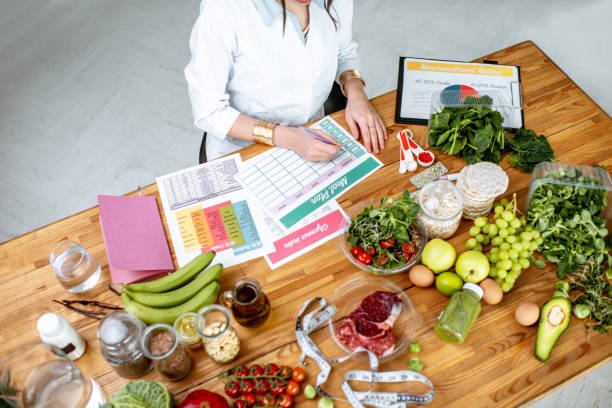
Utilizing the best ChatGPT prompts for a nutritionist allows dietetics professionals to streamline the creation of personalized meal plans and educational resources. This technology enables practitioners to focus more on patient interaction by automating the data-heavy aspects of nutritional analysis and recipe development. By framing instructions correctly, a nutritionist can generate evidence-based guidance that aligns with specific metabolic requirements and health goals.
Implementing these digital tools requires a balance of clinical expertise and precise communication with the artificial intelligence model. This article explores a variety of structured instructions designed to optimize the workflow of a modern health and wellness practice.
These are the Best ChatGPT Prompts for a Nutritionist for 2026
Integrating artificial intelligence into a clinical setting requires more than just simple questions; it demands a structured approach to ensure safety and efficacy. To get the most out of these tools, the best ChatGPT prompts for a nutritionist must include variables such as age, physical activity level, medical history, and specific dietary preferences. Below is a comprehensive list of points and procedures to help you leverage AI for your latest professional needs while ensuring your recommendations remain high-quality and medically sound.
1. Calculating Precise Macronutrient Ratios for Metabolic Health
Establishing a baseline for calories and macronutrients is the foundation of any professional nutrition plan. This prompt helps you calculate the Total Daily Energy Expenditure and then break down the protein, fat, and carbohydrate requirements based on a specific goal such as fat loss or muscle hypertrophy. It ensures that the mathematical foundation of your client's plan is accurate before you begin selecting specific foods. You can adjust the ratios based on whether the client is an endurance athlete or someone managing sedentary metabolic challenges.
Act as a clinical nutritionist. Calculate the TDEE for a 45-year-old female, 5 feet 6 inches tall, weighing 160 lbs, with a sedentary activity level. Provide a macronutrient distribution for a 300-calorie deficit to support steady weight loss. Set protein at 1.2 grams per kilogram of body weight, with the remaining calories split 30 percent from fats and the rest from complex carbohydrates.
2. Generating Low-Glycemic Menus for Diabetic Clients
Managing blood sugar is a critical task for many nutritionists, especially when working with Type 2 Diabetes or insulin resistance. This ChatGPT prompt for a nutritionist focuses on selecting foods with a low glycemic load to prevent insulin spikes throughout the day. It prioritizes fiber-rich grains, lean proteins, and healthy fats while excluding refined sugars and processed flours. By using this prompt, you can quickly generate a variety of meal options that help stabilize glucose levels without making the diet feel overly restrictive or boring for the patient.
Create a 3-day meal plan for a client with Type 2 Diabetes focusing on a low-glycemic load. Each meal must include at least 10 grams of fiber and a source of lean protein. Avoid all refined sugars and suggest whole-food alternatives like lentils, quinoa, and non-starchy vegetables. Provide a breakdown of the glycemic index for each primary ingredient mentioned in the plan to educate the client.
3. Designing Anti-Inflammatory Protocols for Joint and Gut Health
Chronic inflammation is a significant driver of many modern health issues, from arthritis to digestive distress. This prompt directs the artificial intelligence to focus on foods high in omega-3 fatty acids, antioxidants, and phytonutrients. It emphasizes the inclusion of fatty fish, leafy greens, berries, and specific spices like turmeric and ginger that are known for their healing properties. This approach is highly effective for clients looking to manage autoimmune conditions or improve their general recovery after intense physical training.
Generate a 7-day anti-inflammatory nutrition plan that excludes nightshade vegetables and processed seed oils. Focus on wild-caught fish, walnuts, chia seeds, and cruciferous vegetables. Include a recipe for a daily 'anti-inflammatory elixir' using ginger, turmeric, and lemon. Explain the biological mechanism of how these foods help reduce systemic inflammation in simple terms that a client can understand.
4. Formulating Complete Protein Strategies for Vegan Athletes
One of the most common questions for a plant-based nutritionist is how to ensure adequate protein intake and a complete amino acid profile. This best prompt for ChatGPT for a nutritionist solves this by suggesting food pairings like grains and legumes or soy-based products that provide all essential amino acids. It also addresses common micronutrient gaps in vegan diets such as Vitamin B12, Iron, and Zinc. This ensures that even those on a strictly plant-based diet can reach their athletic potential and maintain lean muscle mass effectively.
Design a 3,000-calorie vegan nutrition plan for a male weightlifter. Ensure that every meal combines plant-based sources to create a complete amino acid profile. Include high-protein snacks like roasted chickpeas and hemp seeds. Provide a list of recommended plant-based sources for iron and zinc, and suggest a supplementation schedule for Vitamin B12 and Vitamin D3 based on the latest clinical guidelines.
5. Structuring Low-FODMAP Plans for Digestive Sensitivity
For clients suffering from Irritable Bowel Syndrome, the elimination phase of a low-FODMAP diet can be incredibly confusing and difficult to manage. This prompt helps you create a clear roadmap of what to eat and what to avoid during the initial six weeks of the protocol. It suggests gut-friendly alternatives for common triggers like garlic, onions, and wheat. By providing a structured list of allowed foods, you reduce the stress on the patient and increase the likelihood of them sticking to the plan long enough to see a reduction in symptoms.
Act as a gastrointestinal nutrition specialist. Create a 5-day low-FODMAP meal plan for the elimination phase of an IBS protocol. Exclude all high-FODMAP foods such as garlic, onions, honey, and wheat. Provide flavor-enhancing alternatives like garlic-infused oil and the green parts of spring onions. Include a simple symptom-tracking template that the client can use to record their reactions to each meal over the course of the week.
6. Drafting Client Education Materials on Micronutrients
Education is a huge part of what a nutritionist does, as it empowers clients to make better choices long-term. This ChatGPT prompts for a nutritionist entry focuses on creating easy-to-read handouts that explain the importance of specific vitamins and minerals. It breaks down the role of things like Magnesium, Potassium, and Vitamin K2 in a way that is engaging but medically accurate. You can use these outputs as blog posts, newsletter sections, or physical handouts during a consultation to add more value to your professional service.
Write a 500-word educational guide for clients on the importance of magnesium and potassium for heart health and muscle function. List the top 10 whole-food sources for each mineral and explain how they interact with each other in the body. Use a friendly but professional tone and include a section on how to spot the signs of a potential deficiency in these electrolytes.
7. Simplifying Scientific Research for Patient Consultations
Nutritionists must stay on top of the latest research, but translating a complex study into something a layperson can understand is time-consuming. This prompt allows you to paste the abstract or key findings of a paper and receive a simplified summary. It highlights the practical applications of the research, such as whether a certain supplement is effective or if a specific eating window provides metabolic benefits. This helps you maintain your status as an expert who is at the forefront of the field while keeping your clients informed with evidence-based data.
I will provide an abstract from a recent clinical study on the effects of intermittent fasting on insulin sensitivity. Summarize the findings into three bullet points that I can share with my clients. Explain the practical takeaway: should they try this method, and if so, what is the recommended schedule based on this specific study? Use simple language and avoid overly technical jargon while keeping the core facts intact.
8. Organizing Grocery Lists for Busy Professional Clients
A plan is only as good as the client's ability to execute it, and most people struggle with the logistics of shopping. This prompt takes a 7-day meal plan and converts it into a perfectly categorized grocery list. It helps the client navigate the supermarket efficiently and ensures they only buy the items they need, which reduces food waste and saves money. You can even ask the AI to suggest bulk-buy items to further optimize their budget. This is a practical addition that significantly improves the user experience of your nutrition services.
Take the previously generated 7-day Mediterranean meal plan and create a categorized grocery list. Group items into Produce, Meat/Fish, Dairy, Pantry, and Frozen sections. For the produce section, suggest which items should be bought fresh and which can be bought frozen to save on costs. Include a 'Staples' section for things like olive oil and spices that the client should check their cabinets for before leaving.
9. Analyzing Food Diaries for Nutritional Gaps
Reviewing a client's food diary is essential for identifying patterns that lead to weight gain or energy crashes. This ChatGPT prompt for a nutritionist allows you to input a few days of eating data and receive an analysis of the caloric intake and micronutrient balance. It identifies hidden sugars, excessive sodium, or a lack of variety in vegetable intake. This objective feedback allows you to have more productive conversations with your clients about where they can make small, impactful changes to their current habits.
Review this 3-day food diary for a client who is complaining of low energy in the afternoons: [Insert Food Diary]. Analyze the timing of their carbohydrate intake and the overall protein-to-fiber ratio. Identify potential nutritional gaps, such as a lack of healthy fats or iron-rich foods. Suggest three specific adjustments the client can make tomorrow to improve their energy levels and stabilize their blood sugar throughout the day.
10. Structuring Pediatric Nutrition Plans for Picky Eaters
Working with parents of picky eaters requires a creative approach to food exposure and nutrient density. This prompt focuses on "stealth health" techniques, where vegetables are integrated into familiar foods in a way that is palatable for children. It also suggests strategies for positive food reinforcement and repeated exposure to new textures. This is a valuable tool for nutritionists who specialize in family wellness, providing practical recipes that reduce the stress of mealtime for both parents and kids.
Create a 5-day dinner menu for a family with a 4-year-old picky eater. Each meal must include at least two hidden or blended vegetables, such as cauliflower in mac and cheese or spinach in smoothies. Provide three tips for the parents on how to encourage 'food exploration' without creating a power struggle at the table. Ensure the meals are nutritious for the adults as well so they only have to cook one meal for the whole family.
11. Formulating Renal-Friendly Diets with Controlled Minerals
Clients with Stage 3 Chronic Kidney Disease require very specific limits on potassium, phosphorus, and sodium. This prompt helps you design meals that stay within these medical constraints while still providing adequate energy and enjoyment. It focuses on high-quality, lower-quantity protein sources and specific preparation methods like leaching vegetables to reduce potassium content. This is a highly specialized application of the technology that requires your careful oversight but can save significant time in the drafting process for complex clinical cases.
Design a 1-day renal-friendly meal plan for a patient with Stage 3 CKD. Limit total daily sodium to 2,000 mg, potassium to 2,500 mg, and phosphorus to 1,000 mg. Use leached potatoes and low-potassium fruits like berries and apples. Ensure the protein sources are high biological value but limited to 0.8 grams per kilogram of body weight. Provide a table showing the estimated mineral content for each meal in the plan.
12. Creating Sports-Specific Supplementation Protocols
Athletes often turn to nutritionists for advice on supplements like creatine, beta-alanine, and whey protein. This prompt helps you draft a evidence-based guide on when and how to take these supplements for maximum efficacy. It looks at the timing relative to training (pre vs post) and the correct dosages based on body weight. This ensures your advice is grounded in the latest sports science and helps the athlete avoid wasting money on products that don't have a proven benefit for their specific discipline.
Act as a sports nutritionist. Create a supplementation guide for an amateur marathon runner training for their first race. Focus on the benefits and timing of caffeine, electrolytes, and carbohydrate gels during long runs. Explain the role of creatine monohydrate for recovery and provide a daily dosage based on a body weight of 75kg. Include a warning about checking for third-party testing to ensure the supplements are free from banned substances.
13. Developing Geriatric Plans for Bone Density and Sarcopenia
As clients age, the focus of nutrition often shifts toward maintaining muscle mass (preventing sarcopenia) and supporting bone density. This prompt emphasizes high-protein intake and foods rich in Calcium, Vitamin K2, and Vitamin D. It also considers the potential for reduced appetite or difficulty chewing, suggesting softer but nutrient-dense options. This is an essential latest prompt for ChatGPT for a nutritionist for those working in senior care or with aging populations who want to stay active and independent for as long as possible.
Generate a 3-day high-protein nutrition plan for a 70-year-old male aiming to prevent muscle loss. Ensure each meal has at least 30 grams of protein to trigger muscle protein synthesis. Include soft-textured foods like Greek yogurt, slow-cooked meats, and scrambled eggs. Provide a list of 5 calcium-rich foods that are easy to digest. Explain why Vitamin K2 and D3 are essential for his bone health and suggest a way to integrate them into his daily routine.
14. Crafting Behavioral Change and Mindful Eating Exercises
Successful nutrition is often more about psychology than it is about biology. This prompt helps you create mindful eating exercises that help clients reconnect with their hunger and fullness cues. It encourages them to slow down, eliminate distractions, and appreciate the sensory qualities of their food. This behavioral approach is a key component of long-term weight maintenance and helps clients develop a healthier relationship with eating that doesn't rely on willpower or strict calorie counting alone.
Create a 10-minute mindful eating exercise that I can teach to my clients who struggle with emotional eating. Include instructions on how to evaluate hunger on a scale of 1 to 10 before starting. Describe a step-by-step process for eating a single piece of fruit, focusing on the texture, smell, and taste. Provide three reflection questions for the client to answer after the exercise to help them identify their emotional triggers for overeating.
15. Simulating Motivational Interviewing for Client Resistance
When a client is resistant to change, a nutritionist must use specific communication techniques to help them find their own internal motivation. This prompt allows you to practice "Motivational Interviewing" by simulating a conversation with a difficult client. You can see how different responses affect the "client's" willingness to change. This is a fantastic way to sharpen your counseling skills and learn how to handle common objections like "I don't have time to cook" or "Healthy food is too expensive" in a supportive and non-judgmental way.
I want to practice my motivational interviewing skills. Act as a client who is frustrated because they haven't lost weight despite following the plan 70 percent of the time. I will start the conversation, and I want you to respond with common excuses and resistance. After our interaction, provide feedback on my use of open-ended questions and reflective listening. Tell me if I was too directive or if I successfully helped you find your own reasons for wanting to stay on track.
Things to Consider When Using a ChatGPT Prompt for a Nutritionist
While artificial intelligence is a powerful tool for enhancing your practice, it is not a replacement for your clinical judgment and specialized training. To ensure that your use of technology remains professional and safe, there are several ethical and practical considerations you must keep in mind. These points will help you filter the AI's output through a lens of human expertise and institutional safety standards.
1. Clinical Validation of AI Data: Every piece of advice generated by the artificial intelligence must be verified by you before it is shared with a client. AI can sometimes "hallucinate" nutritional facts or provide incorrect calorie counts for rare ingredients. A nutritionist's primary responsibility is to ensure the safety of the patient, which means cross-referencing any specific medical diet with current clinical textbooks and journals. This human oversight is what distinguishes a professional service from a generic automated app.
2. Protecting Client Data Privacy: When using a ChatGPT prompt for a nutritionist, you must never input personally identifiable information such as full names, birth dates, or specific medical record numbers. Public AI models are not typically HIPAA-compliant, and any data you enter could potentially be used to further train the model. Always use anonymized profiles, such as "Patient A" or "45-year-old male," to protect the confidentiality of those under your care while still getting the strategic benefits of the AI.
3. The Nuance of Bio-Individuality: AI works on averages and general data patterns, but nutrition is deeply personal and biological. A plan that looks perfect on paper may not work for a client due to their unique gut microbiome, food sensitivities, or psychological relationship with eating. Always use your intuition and the feedback you receive from the client to adjust the AI's suggestions. Your ability to read the client's non-verbal cues and adjust the plan in real-time is something that artificial intelligence cannot replicate.
4. Ethical Boundaries and Medical Advice: It is important to distinguish between nutritional support and medical diagnosis. You should not use a ChatGPT prompts for a nutritionist to diagnose diseases or suggest treatments for serious medical conditions that fall outside your scope of practice. Always remind clients that the AI-generated plans are for educational and support purposes. If a client presents with symptoms of a serious illness, you must refer them to a medical doctor for a formal diagnosis and treatment plan before continuing with nutritional intervention.
5. Keeping Up with Algorithm Updates: The way an AI model responds can change as the developer updates the underlying architecture. A best prompt for ChatGPT for a nutritionist that worked last month might yield slightly different results this month. Regularly testing and refining your prompts is necessary to maintain a consistent quality of output. Staying curious and adaptable in your approach to technology will ensure that you remain a leader in the evolving field of digital health and wellness.
6. Transparency with Your Clients: Many professionals find it helpful to be transparent about their use of AI as a brainstorming and organizational tool. Explain to your clients that you use advanced technology to help process data and generate ideas, but that every final decision is made by you based on your clinical expertise. This builds trust and shows that you are using the best available tools to provide them with the highest level of personalized service while maintaining a human connection.
Conclusion
Mastering the best ChatGPT prompts for a nutritionist is a powerful way to modernise your practice and provide your clients with a higher level of personalized care. By automating the data-intensive tasks of meal planning, research summaries, and educational drafting, you free up your valuable time to focus on the human side of health coaching. However, the true value of these digital tools lies in how you combine them with your own clinical wisdom and empathetic counseling. As the health and wellness industry continues to integrate more artificial intelligence, those who can effectively bridge the gap between high-tech data and high-touch human connection will be the most successful in helping their clients achieve lasting, life-changing results. Use these prompts as a foundation for your practice and continue to iterate on them as the technology and your professional experience both grow.
Enjoyed this read?
Share it with your friends and colleagues.